
Introduction
Fire alarm systems are the first line of defense in protecting lives and property from the devastating effects of fire. Whether installed in residential buildings, commercial facilities, or industrial sites, these systems play a critical role in early detection and rapid emergency response. However, even the most advanced fire alarm technology can fail if it is not properly maintained and inspected.
Routine inspection of fire alarm systems ensures that each component functions correctly when needed most. This guide will walk you through how to inspect fire alarm systems thoroughly, highlight what to look for during each phase, and explain how these inspections contribute to maximum fire prevention efficiency.
Why Regular Fire Alarm Inspections Matter
Routine inspections are not just about ticking boxes—they are a legal, operational, and ethical necessity. Here’s why:
- Early Detection Saves Lives: A functioning fire alarm detects smoke or heat before the fire spreads, allowing for faster evacuation.
- Minimizing Property Damage: The sooner a fire is detected, the quicker emergency services can respond, limiting destruction.
- Compliance with Fire Codes: Most jurisdictions require periodic inspections to comply with safety standards and avoid fines or closures.
- Reliability in Emergencies: Dust buildup, battery failure, or wiring issues can silently disable your alarm system. Regular checks uncover these issues before they become dangerous.
Understanding the Components of a Fire Alarm System
Before diving into the inspection steps, it’s important to understand what you’re checking. A standard fire alarm system may include:
- Control Panel (FACP) – The brain of the system, it receives signals and triggers alarms.
- Smoke and Heat Detectors – Devices that sense smoke particles or rising temperature.
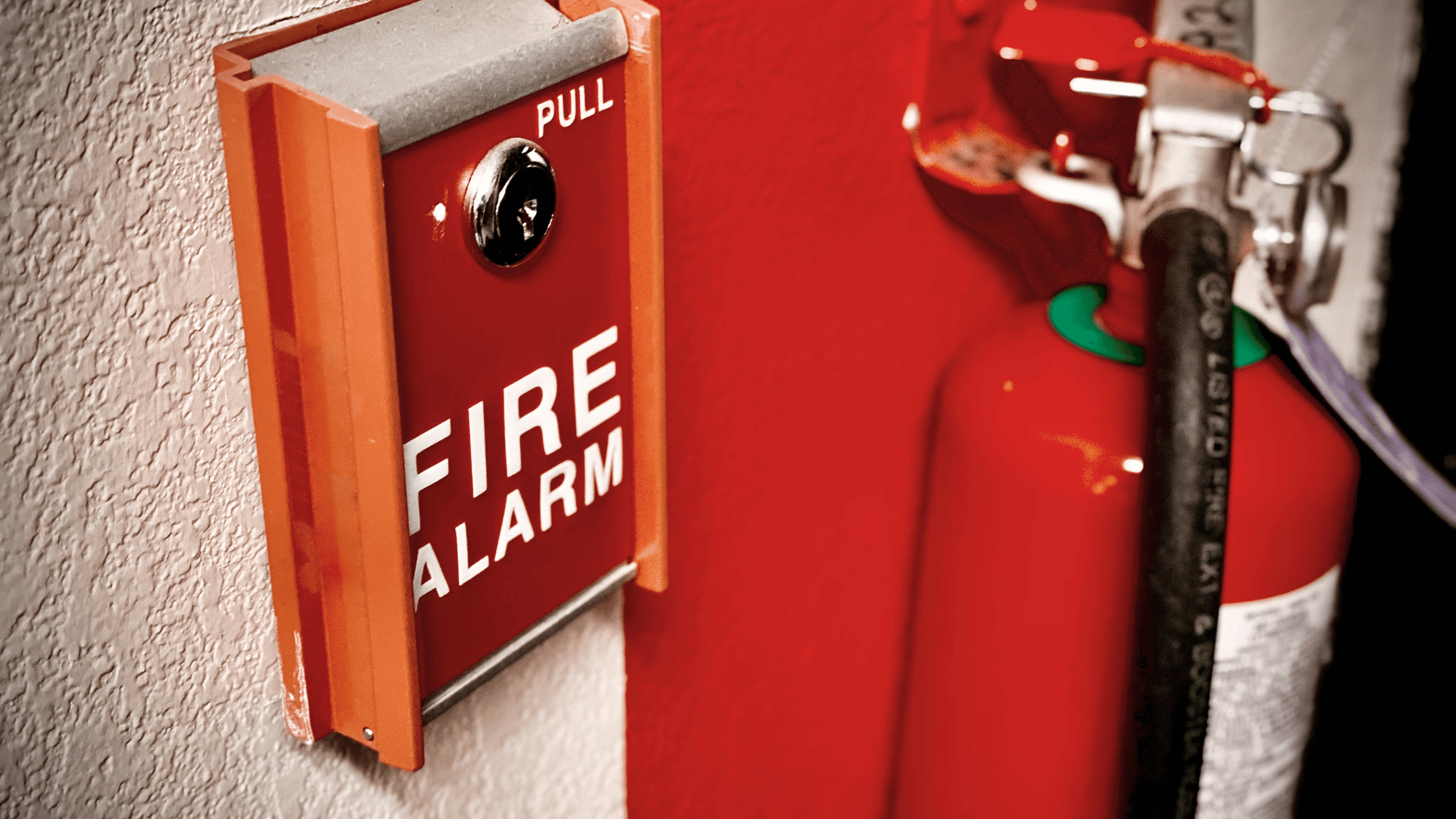
- Manual Pull Stations – Wall-mounted devices that allow occupants to trigger the alarm manually.
- Notification Devices – Alarms, sirens, flashing lights, or speakers to alert people.
- Power Supply and Battery Backup – Ensures the system runs during outages.
- Communication Modules – Used to contact emergency services or monitoring centers.
Each of these must be inspected regularly to maintain system integrity.
How Often Should You Inspect Your Fire Alarm System?
The frequency of inspections depends on local fire codes, system complexity, and building usage. However, general guidelines include:
- Weekly or Monthly Visual Checks – Especially for manual pull stations and control panels.
- Quarterly Testing – For system communications and detection devices.
- Annual Comprehensive Inspection – A licensed technician performs a full test, including sensitivity testing of detectors.
Always consult NFPA 72 (National Fire Alarm and Signaling Code) or your country’s/local jurisdiction’s regulations for specifics.
Step-by-Step Fire Alarm Inspection Process
1. Preliminary Visual Inspection
Start with a walk-through of the building, performing a visual check of all fire alarm components.
- Ensure all detectors, alarms, and pull stations are unobstructed and visible.
- Look for physical damage, corrosion, or tampering.
- Check that indicator lights are operating correctly on the control panel.
- Inspect wiring for signs of wear, exposure, or rodent damage.
Tip: Use a checklist to track which devices you’ve reviewed and when.
2. Control Panel and Indicator Check
The Fire Alarm Control Panel (FACP) manages signals from detectors and sends alerts. Inspect it thoroughly:
- Confirm system power is on and no trouble or fault signals are displayed.
- Test key functions (with authority approval) like the silence, reset, and acknowledge buttons.
- Review the event log for recent errors or alarms.
- Check battery voltage and charging system if applicable.
If there are faults, contact your alarm service provider to troubleshoot before continuing.
3. Detector Testing
This is one of the most critical parts of the inspection.
- Smoke Detectors: Use an aerosol smoke tester or electronic testing tool to ensure responsiveness. Avoid using open flame or cigarette smoke, as they can cause residue buildup.
- Heat Detectors: Use a heat gun or manufacturer-approved simulator to test activation thresholds.
- Carbon Monoxide Detectors (if applicable): Use calibration gas or follow the manufacturer’s testing procedure.
If a detector fails, replace or clean it immediately. Detectors should also be sensitivity-tested every 2–5 years, depending on manufacturer and local code.
4. Manual Pull Station Test
Manual pull stations are vital for human-triggered alarm activation. To test:
- Activate the pull station using a test key (so it can be reset afterward).
- Ensure the control panel registers the signal immediately.
- Check if the alarm sounds and strobes/lights are activated.
- Reset the device and verify it returns to standby.
Make sure all occupants are notified in advance of these tests to avoid panic.
5. Notification Appliance Test
These devices alert building occupants. Test includes:
- Horn/Strobe Devices: Ensure sirens and lights activate during a test.
- Speaker Systems (for voice-evac systems): Test clarity and volume throughout the building.
- Visual Devices: Strobes must be visible even in daylight or low-visibility areas.
Testing must confirm both activation and uniform distribution of the signal across the building.
6. Battery and Power Supply Check
Your fire alarm must function during a power failure, making battery tests essential.
- Check battery age and ensure it hasn’t exceeded its rated lifespan.
- Use a multimeter to confirm correct voltage output.
- Inspect for signs of leakage or corrosion.
- Confirm that backup batteries engage correctly during simulated power failure.
Some systems also use generators or uninterruptible power supplies (UPS)—include these in your inspection plan.
7. System Communication and Monitoring
Modern systems often connect to remote monitoring centers or emergency services. Verify that:
- Alarm signals reach the monitoring center within 60 seconds.
- Communication lines (landline, cellular, or IP) are active and undisturbed.
- Test report logs match the events recorded during testing.
If there’s a delay in communication, contact your alarm company immediately.
Who Should Perform Inspections?
- Daily/Weekly Checks: These can be performed by a trained in-house facility manager or safety officer.
- Quarterly/Annual Inspections: Should be carried out by certified fire protection professionals. They bring specialized tools and understand complex systems.
- Always keep records of all inspections for compliance and legal liability.
Documentation and Reporting
After the inspection, prepare a detailed report that includes:
- Date and time of inspection
- Devices tested (with serial numbers if available)
- Notes on failures, repairs, or adjustments
- Signature of the inspector and building representative
- Next scheduled inspection
Proper documentation ensures compliance with building codes and insurance policies, and serves as a reference in the event of an emergency or audit.
Common Issues Found During Inspections
- Disconnected or covered detectors (e.g., during renovations)
- Dead or missing backup batteries
- Malfunctioning pull stations
- Alarms not triggering the panel
- Improper wiring or interference from nearby electronics
- Poor audibility of sirens in large or crowded areas
Routine inspections catch these issues before they result in tragedy.
Conclusion
A fire alarm system is only as good as its maintenance. By following a structured and thorough inspection routine, you not only comply with safety standards but also gain peace of mind knowing that your building’s occupants and assets are well-protected.
Maximum fire safety isn’t achieved through installation alone—it’s maintained through consistent, intelligent inspection.
Make fire alarm system checks a cornerstone of your fire prevention strategy. Whether you’re a business owner, building manager, or safety officer, your diligence today could prevent disaster tomorrow.